Contact@prince2training.co.uk
 01344203999



 Back
Back


Table of Content

24-Sep-2026

Veronica Davis
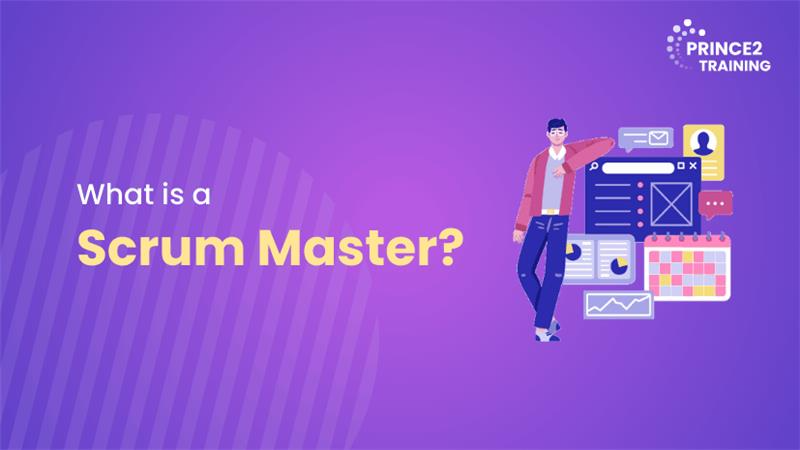
Consider this scenario: a product launch is just weeks away. The development team is stressed, designers are out of sync, and deadlines are slipping. Then someone steps in; calm, focused, and ready to align the team. That’s the Scrum Master. But What is a Scrum Master and why are they so essential in Agile teams? They’re the steady force behind smooth sprints and successful project deliveries.
Curious about what they do, the skills they need, or how much they earn? In this blog, we’ll explore What is a Scrum Master, outline their responsibilities. We will also highlight the key qualities they bring to the table and provide insights into their earning potential. It can help you understand the real impact of this dynamic role in today’s fast-moving workspaces.
Table of Contents
1) What is a Scrum Master?
2) Scrum Master Role and Responsibilities
3) Essential Skills for Scrum Masters
4) How to Start Your Career as a Scrum Master?
5) The Average Salary of Scrum Master
6) Scrum Master vs Product Owner
7) Scrum Master vs Project Manager
8) Conclusion
What is a Scrum Master?
A Scrum Master is a professional that helps organisation evolve by enabling the rest of the scrum team to improve their workflow through adapting scrum theory and practice. In short, they are the key facilitators who remain open to opportunities for workflow enhancement, while remaining committed to scrum methodology and agile principles.
The role of a Scrum Master is a complex one as they help lead the Scrum team as well as the others in the organisation towards greater agility throughout the course of projects.

Scrum Master Role and Responsibilities
Now we know what a Scrum Master is, let’s take a look into their role and responsibilities:

Daily Stand-up Facilitation
A key part of Scrum Master’s Day is running the daily stand-up. These quick meetings keep the team aligned by discussing what was done yesterday, what’s planned for today, and what’s blocking progress. The Scrum Master makes sure these stay focused, brief, and genuinely helpful.
Sprint and Iteration Planning
Sprint planning isn’t just about setting goals; it’s about setting realistic ones. The Scrum Master helps the team break down large chunks of work into smaller, manageable tasks while ensuring they don’t take on more than they can handle. It’s all about the balance and clarity.
Leading Sprint Reviews
At the end of each sprint, the Scrum Master leads a review where the team showcases what they’ve achieved. It’s a time for feedback, discussion, and celebrating progress. These sessions help stakeholders stay informed and connected to the project’s journey.
Hosting Retrospectives
After every sprint, the Scrum Master gathers the team to reflect on what went well and what could be improved. These Sprint retrospectives are honest, open discussions that drive continuous improvement and help the team grow stronger with each sprint.
Managing Scrum Boards
Scrum Boards; either digital or physical are the visual heartbeat of the team’s workflow. The Scrum Master ensures they’re up-to-date and easy to navigate, helping everyone stay on the same page. A tidy board means a tidy sprint!
Tap into lucrative opportunities – Register for our
CAPM® Certification
today!
One-on-one Meetings
Scrum Masters often wear the hat of a mentor. Through regular one-to-ones, they check in with team members, offer support, and tackle personal roadblocks. It’s a vital part of building trust and nurturing individual growth.
Providing Internal Coaching
Beyond managing sprints, Scrum Masters coach teams on Agile principles and best practices. They’re the go-to guide for keeping everyone aligned with the framework; and for answering those “Are we doing this right?” questions.
Generating and Sharing Reports
The Scrum Master should regularly examine the burndown charts as well as other portfolio planning tools to track the progress of a project. Sharing these reports with the team members is a great way of monitoring sprints as well as avoiding scope creeps that may have occurred.
Identifying and Removing Blockers
In case it’s a missing resource or a slow approval process, the Scrum Master steps in to remove any obstacles that could slow the team down. They’re the ones who make sure things keep moving, no matter what’s in the way.
Handling Administrative Tasks
The Scrum Master is also accountable for handling administrative tasks in an organisation to ensure that the Scrum Team is functioning efficiently. It implies being proactive while catering to the needs of the team.
Essential Skills for Scrum Masters
As we are aware, the Scrum Masters need a dynamic skillset to ace their role effectively. Listed below are some of the essential skills for Scrum Masters:

Project Organisation
For the smooth progress of projects is it is highly recommended that the Scrum Masters must keep track of the project they are working on. Project organisation helps Scrum Masters in monitoring the progress of a project to ensure the desired goal is achieved.
Time Management
The ability to predict the time it may take the team to complete a task is one of key skills that a Scrum Master must possess. The primary benefit of time management is that it helps the team members achieve their goals and avoid scape creeps.
Team Motivation
Providing team motivation in the times of challenges and roadblocks is one of the essential soft skills that a Scrum Master should have. For this, the Scrum Master should take actions to keep the team goals align with the product owner, and other stakeholder’s expectations.
Flexibility and Adaptability
For the projects to progress seamlessly, the Scrum Master should have the ability to be flexible and adaptable if needed. This is because sprint planning can be subjected to change in case of miscalculation of time, resources, or other factors.
Problem-solving
The scrum team members can often face conflicts and impediments, which the Scrum Masters should deal with. Their problem-solving skills will be able to help them find the right solutions to overcome any challenges, while keeping the workflow on track.
Enhance your administrative capabilities and ace your goals - join our
PMP® Exam Prep Boot Camp Course
today!
Empathy
Emotional Intelligence such as empathy is also one of the crucial skills that the Scrum Masters need in terms of understanding the team’s challenges. They need to be proactive in providing support, motivation, and guidance to team members when faced with difficulties.
Coaching and Mentorship
The Scrum Masters continually prioritise offering coaching and mentorship to the team members.
Technical Understanding
As Scrum Masters have adequate knowledge of the Agile and Scrum framework, it allows them to help the team overcome challenges using their technical understanding.
Communication and Conflict Resolution
Clear and effective communication is the backbone of a successful organisation. Therefore, Scrum Masters should ensure that goals, objectives, and the status of the project are made available to all team members, Product Owners, and Stakeholders.
How to Start Your Career as a Scrum Master?
Though there is no linear path when it comes to starting your career as a Scrum Master, there are few steps that can guide you in your professional journey. Some of the requisites that are in demand that can help you kickstart your career as a Scrum Master is inclusive of:
1) Educational Qualification
While you may not need a professional degree to start your career as a Scrum Master, it is always helpful if you have management or tech-related degrees. For example, recruiters in the UK are more likely to hire a candidate who has knowledge of Agile, scrum-related software.
2) Gain the Required Soft Skills
Developing skills such as Project Management along with being an excellent communicator can open numerous doors for you. Scrum Master’s role is to facilitate seamless communication between the team members and stakeholders.
3) Get a Scrum Master Certification
When it comes to starting your career as a Scrum Master, getting a Scrum Master Certification from a recognised platform helps you gain well-rounded knowledge of Agile Scrum framework. With a globally recognised Scrum Certification, you can add value to your profile and get a competitive edge while applying for Scrum Masters job opportunities.
Gain top-tier Project Management skills with our Scrum Master Certification – join today!
The Average Salary of Scrum Master
Since Scrum Masters work on managerial levels, their salary is also estimated to reflect the same. As per the salary range of a Scrum Master, there are numerous reports which estimate that their average salary may range from £45K/yr to £64K/yr.
Furthermore, there are other factors such as industry type, experience, etc., that may contribute towards the average salary of a Scrum Master. Many companies also pay additional commission, cash bonus, profit sharing, etc., that can be added to the pay of a Scrum Master.

Scrum Master vs Product Owner
Although when it comes to project development within the Agile Scrum framework, both Scrum Master and Product Owner are involved, they both serve different roles. Take a look at the main differences between Scrum Master and Product Owner:

Scrum Master vs Project Manager
Despite playing a vital role in the project execution process, the Scrum Master and Project Manager focus on different areas of responsibilities. Listed below are the key differences between a Scrum Master and Project Manager:

Conclusion
Think of the Scrum Master as the team’s secret advantage; guiding flow, clearing roadblocks, and turning chaos into clarity. Knowing What is a Scrum Master unlocks a deeper understanding of how Agile truly works behind the scenes. It’s a role built on people, process, and progress; one that quietly powers every sprint towards success.
Streamline your career growth with our Scrum Master Certification - Sign up now!
Frequently Asked Questions
Is Scrum Master an IT job?
Yes, Scrum Master is an IT job, as it involves Software Development and Agile Project Management. However, it is worth mentioning that a Scrum Master can work in numerous industries apart from the IT-related fields.
How much does a Scrum Master earn?
A Scrum Master earns an average CTC that ranges from £45K/yr to £64K/yr. Moreover, the salary of a Scrum Master can also depend on their employment agreement, which may include commission, bonus, etc.
Is Scrum Master a stressful job?
Though Scrum Master has a pivotal role in Project Management, it is not inherently considered a stressful job. The amount of stress a Scrum Master faces may depend on his/her managerial skills as well as the resources that they are in charge of.



 Continue Browsing