Contact@prince2training.co.uk
 01344203999




 Back
Back


Table of Content


08-Sep-2026

David Walter
They understand the code but don't write it. They manage the team but don't micromanage. So, who are they? The question is who keeps technical teams aligned, business goals in sight, and projects moving forward without getting lost in the details? They're Technical Project Managers (TPMs), the bridge between complex technology and real-world results.
When digital projects spiral into missed deadlines and misaligned expectations, these managers bring structure and clarity to the chaos. Their mix of tech know-how and leadership makes them one of the most valuable assets. In this blog, you'll discover exactly what a TPM does, the types of projects they lead, the skills they need, and how to become one. Let's dive in!
Table of Contents
1) What is a Technical Project Manager?
2) Types of Projects for Technical Project Managers
3) Essential Skills for a Technical Project Manager
4) Steps to Becoming a Technical Project Manager
5) Average Salary of a Technical Project Manager
6) Conclusion
What is a Technical Project Manager?
A Technical Project Manager is a professional who blends technical expertise with Project Management skills to lead technology-focused projects from start to finish. This hybrid role is important in fields like Information Technology (IT), Software Development, and engineering.
By bridging the gap between technical details and clear project direction, they lead teams through challenges, improve communication across departments, and provide hands-on support wherever needed.

Types of Projects for Technical Project Managers
As a Technical Project Manager, you can lead a variety of technology-driven projects. While TPMs may work across different domains, here are the two most common types of projects that you can work with:
Software Projects
One of the most common environments for TPMs is Software Development projects. These projects involve designing, building, and maintaining applications or systems. To succeed, one needs to have a clear understanding of Software Development processes, tools, and methodologies.
You should also be familiar with the Software Development Life Cycle (SDLC). As a TPM, you're responsible for ensuring that project features are delivered on time, meet quality standards, and align with the product vision. This includes managing sprints and tracking bugs. Examples of projects you may manage include:
1) Web and Mobile Application Development
2) Backend system architecture
3) Database migration
4) Application Programming Interface (API) integrations
5) Development and Operations (DevOps) pipelines
6) Software updates and product lifecycle improvements
Infrastructure Projects
Infrastructure projects focus on hardware, IT systems, and network upgrades. TPMs play a crucial role in managing such projects with a strong knowledge of hardware and systems architecture, such as servers, storage solutions, and networking equipment.
You will work closely with IT teams, vendors, and system administrators for proper installation, configuration, and integration of components and to deliver stable, secure, and scalable infrastructure. You may work on projects like:
1) Network upgrades and server deployments
2) Cloud migrations like AWS, Azure, GCP
3) Cybersecurity implementations
4) Data centre expansion or relocation
5) Enterprise software rollouts
6) IT compliance and audit readiness
Essential Skills for a Technical Project Manager
Being a successful TPM demands a diverse skill set that spans technology, leadership, operations, and communication. Here's a list of the most essential skills:
1) Technical Proficiency
A TPM must understand the technical components of a project they manage. This includes knowledge of:
1) SDLC, Cloud Computing, and virtualisation
2) Databases, APIs, and Network Systems
3) JIRA, Confluence, and DevOps tools
4) Familiarity with Agile or Scrum frameworks
2) Soft Skills
Soft skills include communication, emotional intelligence, teamwork, and adaptability. TPMs must convey ideas clearly, resolve conflicts, and motivate team members. Strong problem-solving and conflict resolution skills help navigate fast paced and high-pressure environments.
Common practices involve:
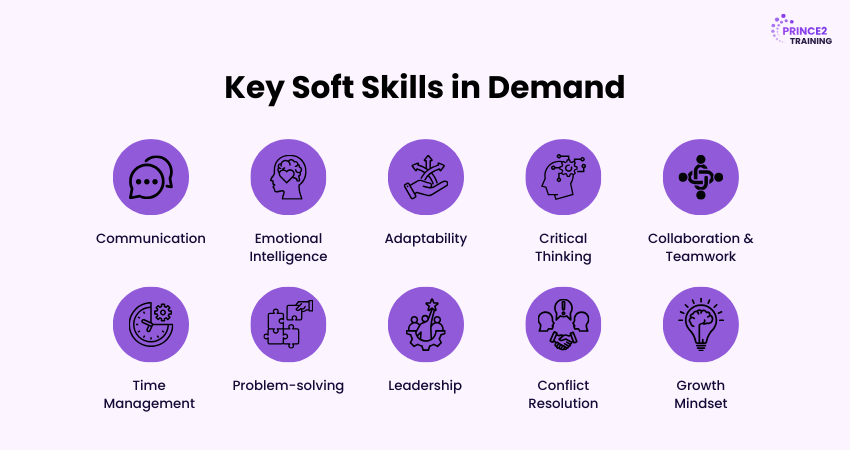
1) Clear verbal and written communication
2) Empathy, patience, and team collaboration
3) Conflict resolution and active listening
4) Adaptability in fast-changing environments
3) Process Improvement
A great TPM is always looking for ways to improve how projects are run. This means streamlining workflows, reducing inefficiencies, adopting better tools and practices, and helping teams work smarter. They play a key role in increasing productivity and product outcomes.
Tips for process improvement:
1) Identify workflow bottlenecks
2) Suggest new tools or automation
3) Promote Agile best practices
4) Encourage feedback and retrospectives
Discover how to manage real-world projects with our
PRINCE2 Foundation & Practitioner Course
– Register today!
4) Meeting Facilitation
Effective meetings are where real progress happens. From sprint planning and stand-ups to stakeholder reviews and team reflection sessions, they know how to keep discussions focused, inclusive, and goal-oriented.
TPMs must know how to lead:
1) Run structured, time-bound meetings
2) Align agendas with project goals
3) Client reviews and stakeholder syncs
4) Risk assessment and mitigation meetings
5) Integration Management
Managing dependencies between systems and third-party vendors is a daily challenge for TPMs. Skills in creating project charters, documenting lessons learned, and coordinating cross-functional integration are important for bringing all components of a project together.
You may often deal with:
1) API integrations
2) SaaS platform compatibility
3) Data synchronisation
4) Version control and deployment pipelines
6) Operations Management
Effective TPMs understand how to manage resources, budgets, and daily operations. This includes tracking deliverables, ensuring proper allocation of time and tools, and helping the team stay on schedule while being fiscally responsible.
Things to prioritise include:
1) Monitor team capacity and workloads
2) Track resource and budget utilisation
3) Work closely with the finance and operations teams
4) Ensure procurement and licensing needs are met
7) Risk Management
No project is risk-free in today's environment. Therefore, you need to be well aware of how to manage a risk. Identifying, analysing, and responding to risks is a key part of the TPM role. Proactive Risk Management helps prevent cost overruns, delivery delays, or complete project breakdowns.
A proactive TPM needs to:
1) Identify potential blockers early
2) Conduct impact analysis
3) Create contingency plans and track risk logs
4) Mitigate risks before they become issues
8) Leadership
Leadership isn't just about authority, it is more about influence, vision, and integrity. A TPM needs to lead cross-functional teams, inspire ownership, and hold team members accountable without micromanaging. You also need to drive teams toward shared goals.
A good leader aims to:
1) Inspire and motivate teams
2) Provide clarity and direction
3) Recognise contributions and maintain morale
4) Lead by example, even when under pressure
9) Communication
Clear communication is one of the most important skills for a TPM. They need to use active listening, written communication, and verbal communication to explain goals, assign tasks, and understand where team members are facing difficulties.
Here's how to maintain good communication:
1) Use simple and clear language when discussing with others
2) Listen actively to the concerns of your team
3) Encourage open feedback within the team
4) Adapt your communication style to suit different audiences
10) Organisation
TPMs need to be well-organised to manage the whole project. It includes tracking timelines, managing budgets, handling documents, and overseeing team responsibilities. It also helps reduce confusion and ensures the project stays on track from start to finish.
Tips to stay organised:
1) Create a centralised system for storing files and project assets
2) Use proper tools to track tasks and timelines
3) Set clear deadlines and assign responsibilities early
4) Keep budget and resource tracking sheets up to date
11) Negotiation
Technical Project Managers will often act as negotiators throughout the project. They may negotiate with vendors, clients, team members, or senior management. Strong negotiation skills help reduce costs, solve challenges, and move the project forward smoothly.
Negotiation skills are required when:
1) Defining scope, timelines, and deliverables with stakeholders
2) Discussing contracts with vendors or service providers
3) Distributing limited resources across teams
4) Adjusting budgets or payment terms with clients
12) Problem-solving
Issues can pop up at any stage of a technical project. TPMs need strong problem-solving skills to quickly assess what is wrong and find a solution. They often use a mix of analytical thinking, creativity, and risk-mitigation strategies to fix problems.
Effective problem-solving involves:
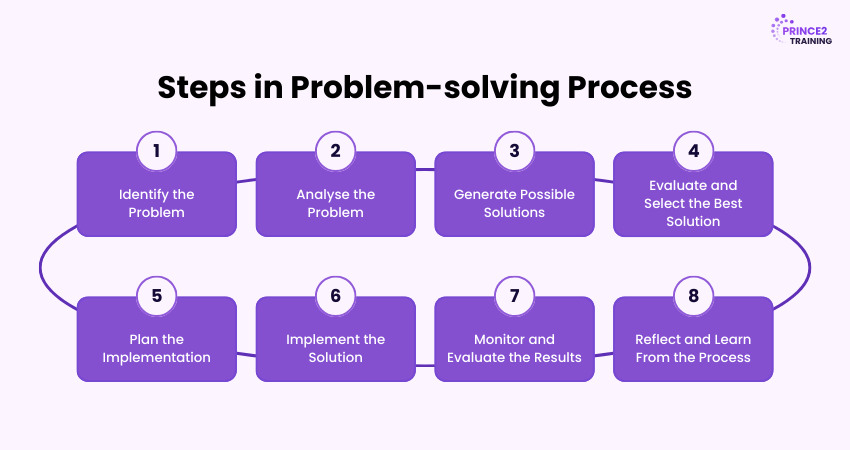
1) Breaking down the issue to understand its root cause
2) Gathering input from relevant team members or experts
3) Exploring multiple solutions using logic and creativity
4) Assessing risks and potential impacts of each option
13) Strategic Planning
TPMs use strategic planning to break large projects into smaller tasks, set deadlines, and align the work with company goals. They think ahead, set long-term goals, and create a clear roadmap that leads the team to success.
Tips for effective strategic planning:
1) Define clear, long-term objectives for the project
2) Break goals into smaller, achievable tasks with deadlines
3) Align technical deliverables with business outcomes
4) Review and modify the plan based on project progress and feedback
Upgrade in today's fast-paced project environments with our PRINCE2 Agile® Foundation and Practitioner Course – Join now!
Steps to Becoming a Technical Project Manager
The role of a Technical Project Manager blends leadership, technology, and problem-solving. Here's how you can become one:
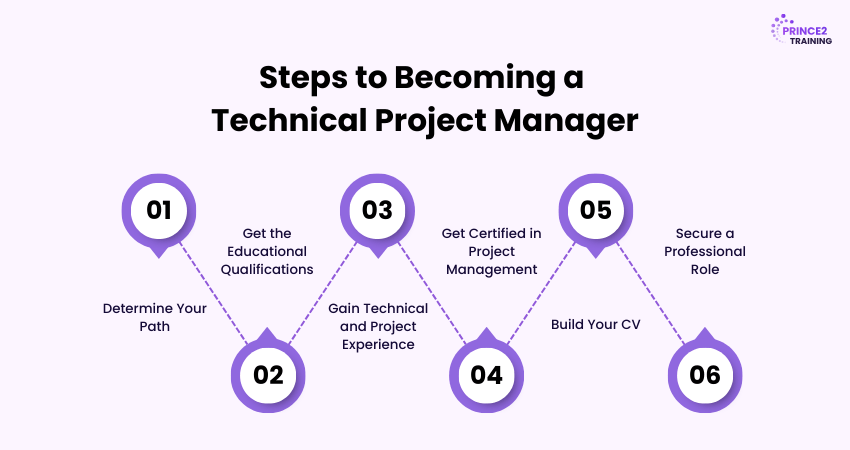
Determine Your Path:
Start by exploring what a Technical Project Manager does. Speak to industry professionals, read about their experiences, and volunteer for tech-related projects to see if the role fits your interests and strengths.
Get the Educational Qualifications:
Most TPM positions require a bachelor's degree in computer science, information technology, or a related field. Pursuing a master's degree or an MBA can further strengthen your profile, especially for leadership or enterprise-level roles.
Gain Technical and Project Experience:
Start in technical roles such as Software Development, Systems Analysis, or IT support. At the same time, take on small Project Management responsibilities. This blend of hands-on tech and coordination experience is key to transitioning into a TPM role.
Get Certified in Project Management:
Earning
Project Management Certifications
shows your employers that you understand structured Project Management methods and are serious about the role.
Build Your CV:
Highlight your technical background, project experience, certifications, and the results you've delivered. Tailor your CV to each job by matching the skills listed in the description.
Secure a Professional Role:
Apply for entry-level TPM or hybrid roles that match your background and skills. Use your network, attend tech meetups, and build a presence in the community. Focus on roles that connect your past experience with your TPM goals.
Average Salary of a Technical Project Manager
The average salary of a Technical Project Manager varies by region, reflecting local demand, experience, and industry. Below is a quick overview of annual salary ranges in key countries.
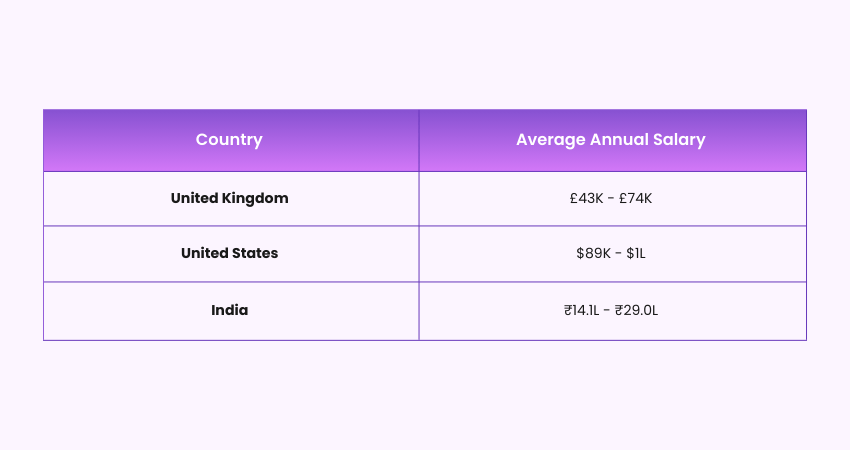
Source: Glassdoor
Conclusion
Technical Project Managers play a prominent role in bridging the gap between complex technical work and strategic business goals. With their unique ability to understand both code and communication, they keep projects running smoothly, teams aligned, and outcomes on track. As technology evolves, the need for adaptable, skilled professionals who can lead with both logic and vision, and that's exactly where a strong TPM shines.
Lead projects with precision with our
PRINCE2 Training
– Explore it now!
Frequently Asked Questions
How Much Does a Technical Project Manager Earn?
According to Glassdoor, a Technical Project Manager can earn an average salary of £55,887 per year, with variations depending on experience, company, and location.
What is the Difference Between a Project Manager and a Technical Project Manager?
A Project Manager focuses on planning, timelines, and coordination. A Technical Project Manager does all that but also understands technical concepts. They will work closely with engineers and help resolve system-level challenges. They are essential for complex technical or Software Development projects.
What is the Highest Paid Project Manager?
The highest paid Project Managers typically hold roles such as TPMs, Senior Technical Project Manager, Programme Manager, IT Project Director, Engineering Programme Manager, and Agile Delivery Managers.



 Continue Browsing