01344203999



 Back
Back


Table of Content

24-Sep-2026

Gary Moore
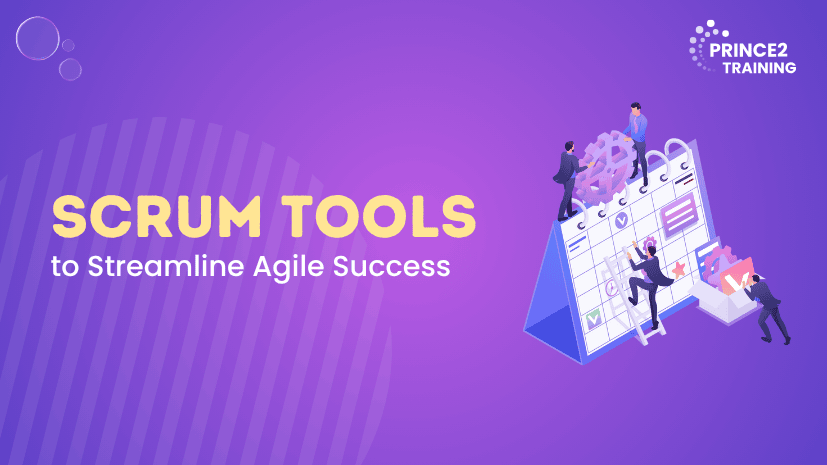
Agile teams succeed when every sprint moves smoothly, and every backlog is crystal clear. But behind every successful Scrum team lies one essential ingredient: the right tool. In the fast-moving world of 2026, digital Project Management tools aren't just nice-to-haves but are mission-critical.
From sprint planning to real-time collaboration, Scrum Tools help teams stay on track, adapt quickly, and deliver value continuously. In this blog, we've handpicked the best Scrum Tools that will help you work smarter, collaborate better, and achieve Agile success. Read on to choose the appropriate one for you!
Table of Contents
1) What Is Scrum?
2) Key Features of Scrum Tools
3) Best Scrum Tools
a) Jira
b) Quickbase
c) Team Foundation Server (TFS)
d) VivifyScrum
e) Zoho Sprints
f) Rally (Now known as Broadcom Rally, formerly CA Agile Central)
g) Targetprocess
h) Miro
i) ServiceNow
j) ClickUp
4) Conclusion
What is Scrum?
Scrum is a popular Agile framework used to manage complex projects by breaking them into smaller, manageable parts called sprints. Each sprint typically lasts two to four weeks, during which teams work on delivering a set of features or tasks. Scrum focuses on collaboration, flexibility, and continuous improvement. It encourages frequent feedback, adaptability to changing requirements, and quick delivery of working solutions.
Scrum roles involve:
1) Product Owner: Defines the product vision and priorities
2) Scrum Master: Facilitates the process and removes blockers
3) Development Team: Builds the product
Key Features of Scrum Tools
Scrum Tools help teams manage projects efficiently, stay organised, and improve collaboration. Here are the essential features every good Scrum Tool offers:
1) Sprint Planning & Management: Easily create, plan, and manage sprints with start and end dates, goals, and priorities.
2) Backlog Management: Organise and prioritise the product backlog with user stories, tasks, and epics.
3) Task Boards (Scrum/Kanban): Visual boards show work in progress, completed tasks, and upcoming work.
4) Burndown Charts & Reporting: Track sprint progress, team velocity, and deadlines with clear, real-time reports.
5) Collaboration & Communication: Share updates, files, and comments within the tool to keep everyone aligned.
6) Time Tracking: Log hours and monitor how time is spent on each task for better planning.
7) Custom Workflows: Adapt workflows to match your team's unique processes or project types.
8) Integrations: Connect with tools like Slack, GitHub, Confluence, and CI/CD pipelines for seamless workflow.
9) Role Management & Permissions: Control who can view, edit, or manage tasks, ensuring data security and accountability.
10) Retrospectives & Feedback: Support for team reviews, retrospectives, and continuous improvement practices.
Unlock new career opportunities with confidence – Join our Scrum Developer Training today!
Best Scrum Tools
In today's fast-paced Agile world, using the right Scrum Tool can make the difference between project success and failure. Scrum Tools help teams manage backlogs, plan sprints, track progress, and improve collaboration. To help you choose the right one, here's a comprehensive list of the 35 best Scrum Tools in 2026, along with their key strengths and weaknesses.
1) Jira
Jira is one of the most widely used Scrum Tools, offering powerful features for sprint planning, backlog management, issue tracking, and team collaboration. It allows Scrum Masters to create detailed user stories, track progress visually, and analyse team performance through comprehensive reports.
Strengths:
a) Highly customisable and scalable for any Agile framework
b) Rich ecosystem of add-ons and integrations
c) Powerful reporting and automation capabilities
Weaknesses:
a) Steep learning curve for beginners
b) Can become complex for small teams
c) Requires careful configuration for optimal use
2) Quickbase
Quickbase is a no-code platform that helps teams build custom Scrum workflows without heavy technical knowledge. It allows for sprint tracking, backlog organisation, and process automation, making it ideal for non-developer teams looking for agility and flexibility.
Strengths:
a) Highly customisable with minimal coding
b) Strong automation and process tracking
c) Integrates well with business apps
Weaknesses:
a) Lacks out-of-the-box Agile templates
b) Can be expensive for small teams
c) UI feels less modern compared to competitors
3) Team Foundation Server (TFS)
Team Foundation Server (TFS), now part of Azure DevOps, is a robust platform that provides tools for version control, build automation, and Agile Project Management. Scrum Masters can manage backlogs, track work items, and align development and operations seamlessly.
Strengths:
a) Strong integration with Microsoft tools
b) Comprehensive DevOps and CI/CD capabilities
c) Solid version control
Weaknesses:
a) Interface can be less intuitive
b) Lacks some Agile-specific features
c) Historically Windows-centric
Achieve project success faster- Start Agile Project Management (AgilePM®) Foundation & Practitioner Certification today!
4) VivifyScrum
VivifyScrum is a lightweight Agile Project Management tool focused on Scrum and Kanban teams. It offers backlog management, sprint planning, time tracking, and invoicing all in one simple interface.
Strengths:
a) User-friendly and easy to adopt
b) Built-in time tracking and invoicing
c) Affordable for small teams
Weaknesses:
a) Limited scalability for large organisations
b) Basic reporting features
c) Fewer third-party integrations
5) Zoho Sprints
Zoho Sprints is an Agile Project Management tool from the Zoho suite. It helps teams manage backlogs, plan sprints, conduct reviews, and track velocity, with easy integration across Zoho apps.
Strengths:
a) Cost-effective with Zoho ecosystem integration
b) Simple interface for beginners
c) Time tracking and detailed reports
Weaknesses:
a) Less suited for complex Agile scaling
b) Limited third-party integrations
c) Basic visual boards
6) Rally (now known as Broadcom Rally, formerly CA Agile Central)
Rally is an enterprise-level Agile management solution designed for teams scaling Scrum, SAFe, or other frameworks. It offers advanced backlog management, capacity planning, and release tracking.
Strengths:
a) Ideal for scaling Agile across large teams
b) Powerful analytics and reporting
c) Supports multiple frameworks
Weaknesses:
a) Complex setup and steep learning curve
b) High cost for small businesses
c) Requires dedicated training for full use
7) Targetprocess
Targetprocess is a visual Project Management tool supporting Scrum, Kanban, and SAFe frameworks. It allows teams to visualise dependencies, manage sprints, and scale Agile processes across the organisation.
Strengths:
a) Strong visualisation of complex projects
b) Highly customisable for Agile scaling
c) Supports multiple Agile methodologies
Weaknesses:
a) Steep learning curve
b) Expensive for small teams
c) Configuration can be time-consuming
8) Miro
Miro is an online collaborative whiteboard perfect for remote Scrum teams. It supports sprint planning, retrospectives, story mapping, and workshops through an infinite canvas and easy-to-use templates.
Strengths:
a) Highly engaging for brainstorming and retrospectives
b) Ideal for distributed teams
c) Rich template library for Agile planning
Weaknesses:
a) Not a full Project Management tool requires integration
b) Can become cluttered with large boards
c) Limited reporting and task management
Stand out as an agile leader- Get Agile Project Management Practitioner (AgilePM® V3) Course today!
9) ServiceNow
ServiceNow Agile Development provides enterprise-level Project Management integrated with ITSM and DevOps. It helps Scrum teams manage backlogs, plan sprints, and align development with operations while maintaining governance and compliance.
Strengths:
a) Seamless integration with IT Service Management
b) Strong reporting, Risk Management, and compliance features
c) Scales well for large enterprises and complex environments
Weaknesses:
a) Expensive and complex for smaller teams
b) Less intuitive for teams without ITSM background
c) Requires significant setup and training
10) ClickUp
ClickUp is a flexible, all-in-one Project Management tool that supports Scrum with features like task boards, sprint points, velocity tracking, and collaborative docs, all in a customisable interface.
Strengths:
a) Highly customisable workflows and dashboards
b) Built-in time tracking, goals, docs, and mind maps
c) Affordable with a generous free tier
Weaknesses:
a) Can feel overwhelming due to too many features
b) Some performance issues with large projects
c) Occasional learning curve for new users
11) Teamwork.com
Teamwork.com is designed for client-service teams using Agile or hybrid models. It offers task boards, time tracking, Gantt charts, and collaboration features with client access built in.
Strengths:
a) Excellent for client-facing projects with billing and time tracking
b) Simple Scrum board features with visual timelines
c) Strong file sharing and team collaboration
Weaknesses:
a) Less robust Agile-specific features compared to Jira
b) Limited automation
c) Reporting can feel basic
12) Trello
Trello is a visual Task Management tool that adapts well to Scrum using Power-Ups. Teams can manage backlogs, plan sprints, and visualise workflows with Kanban-style boards.
Strengths:
a) Extremely user-friendly and visual
b) Great for small to medium Agile teams
c) Free tier with essential features
Weaknesses:
a) Limited built-in reporting and Agile metrics
b) Requires third-party add-ons for full Scrum functionality
c) Not ideal for complex scaling
13) Scrumwise
Scrumwise is a dedicated Scrum Tool focused on simplicity. It covers backlog management, sprint planning, task boards, time tracking, and burndown charts.
Strengths:
a) Simple, intuitive, and quick to set up
b) Designed specifically for Scrum practices
c) Built-in time tracking
Weaknesses:
a) Limited advanced features and integrations
b) Not suitable for large teams or scaling Agile
c) Minimal portfolio-level management
14) Hubstaff
Hubstaff is a time tracking and workforce management tool with Project Management features that integrate into Scrum workflows. It's ideal for remote and distributed Agile teams.
Strengths:
a) Strong time tracking with screenshots and productivity monitoring
b) Integrates with Jira, Trello, and Asana
c) Useful for billing and remote work tracking
Weaknesses:
a) Limited Scrum-specific features natively
b) Can feel intrusive for teams sensitive to time monitoring
c) Requires integrations for full Agile management
15) Monday.com
Monday.com offers visual Project Management with flexible boards, timelines, automations, and Agile templates that help teams manage sprints and backlogs in a user-friendly interface.
Strengths:
a) Highly visual and intuitive for non-technical users
b) Powerful automations and customisation
c) Collaborative with dashboards, docs, and integrations
Weaknesses:
a) Limited built-in Scrum reports (e.g., burndown charts)
b) Can become pricey as team size grows
c) May require custom setup for strict Scrum practices
From planning to delivery- Agile Project Management Foundation (AgilePM® V3) Course makes it happen!
16) MeisterTask
MeisterTask is a visual task management tool that works well for lightweight Scrum teams. It offers Kanban-style boards, task relationships, and integrations with popular tools.
Strengths:
a) Clean, simple, and easy to use
b) Good for small Agile teams and individuals
c) Integrates with Slack, GitHub, and others
Weaknesses:
a) Basic Agile features, no sprint reports or complex tracking
b) Limited to visual boards without deep portfolio management
c) Less suitable for scaling
17) Nutcache
Nutcache combines Agile Project Management with time tracking, budgeting, and invoicing. It is ideal for agencies and businesses managing both development and client billing.
Strengths:
a) Integrates Project Management with budgeting and invoicing
b) Scrum boards with time and expense tracking
c) Affordable for small businesses
Weaknesses:
a) Limited Agile scaling features
b) Basic reporting and analytics
c) UI can feel slightly dated
18) Confluence
Confluence by Atlassian is a collaborative workspace designed to complement Jira. It helps Scrum teams document sprint goals, share knowledge, create meeting notes, and run retrospectives within one central hub.
Strengths:
a) Seamlessly integrates with Jira for Agile documentation
b) Powerful templates for sprint planning, retrospectives, and roadmaps
c) Encourages team knowledge sharing and transparency
Weaknesses:
a) Not a standalone Scrum management tool, works best with Jira
b) Can become disorganised without proper structure
c) Limited Task Management features
19) Yodiz
Yodiz is a dedicated Agile and Scrum management tool offering backlog management, sprint planning, release tracking, and real-time analytics for both small and large teams.
Strengths:
a) Full Scrum lifecycle support with rich reporting
b) Built-in issue tracking and release management
c) Affordable pricing for small teams
Weaknesses:
a) UI feels outdated compared to modern tools
b) Learning curve for non-technical users
c) Limited third-party integrations
20) SwiftKanban
SwiftKanban is a Lean-Agile Project Management tool that supports Scrum, Kanban, Scrumban, and SAFe with rich visual boards and flow analytics.
Strengths:
a) Strong Lean metrics: lead time, throughput, cumulative flow
b) Flexible for teams combining Scrum and Kanban
c) Supports large-scale Agile transformations
Weaknesses:
a) Less intuitive for pure Scrum beginners
b) UI could be more modern
c) Requires training for full benefit
21) Slack
Slack is a team communication and collaboration tool that supports Scrum through integrations with Jira, Trello, Asana, and other Agile platforms. It's ideal for daily stand-ups, quick updates, and team discussions.
Strengths:
a) Enhances communication and real-time updates
b) Integrates with most Agile tools
c) Supports bots for stand-ups and reminders
Weaknesses:
a) Not a Project Management tool of its own
b) Can lead to notification overload
c) Requires discipline to avoid distractions
22) NTask
NTask is an all-in-one project and task management tool that supports Agile with features like task boards, issue tracking, meeting management, and risk logs.
Strengths:
a) Easy-to-use interface with built-in Scrum board
b) Time tracking, Risk Management, and issue tracking in one tool
c) Affordable for startups and small teams
Weaknesses:
a) Lacks some advanced Scrum reporting
b) Limited scaling options for large enterprises
c) Fewer integrations compared to larger players
23) Axosoft
Axosoft is an Agile Project Management solution tailored for Scrum teams, featuring backlog management, burndown charts, release planning, and help desk ticketing.
Strengths:
a) Focused entirely on Scrum and Agile teams
b) Strong visual planning tools and progress tracking
c) Includes customer support ticketing
Weaknesses:
a) UI may feel outdated
b) Less suitable for non-technical teams
c) Limited integrations
You can own the product, lead the team – Register for our Scrum Product Owner Certification today!
24) Orangescrum
Orangescrum is an open-source Agile Project Management tool that offers Scrum boards, task management, time tracking, and resource planning.
Strengths:
a) Open-source flexibility with self-hosted or cloud versions
b) Affordable for small businesses
c) Simple Scrum board and task tracking
Weaknesses:
a) Basic interface and fewer features than premium tools
b) Requires technical support for self-hosted versions
c) Limited enterprise scalability
25) ScrumDo
ScrumDo is an Agile Project Management solution supporting Scrum, Kanban, SAFe, and other frameworks with a focus on Lean metrics and flow efficiency.
Strengths:
a) Highly customisable for hybrid frameworks
b) Strong support for flow-based metrics
c) Scales well for complex environments
Weaknesses:
a) Steeper learning curve for non-Agile experts
b) UI can be improved
c) Pricing may deter small teams
26) Height
Height is a modern Project Management tool with built-in task boards, real-time collaboration, and Agile-friendly features designed for tech teams.
Strengths:
a) Sleek, modern design with collaborative features
b) Flexible sprints and task management
c) Built-in automation and real-time updates
Weaknesses:
a) Still evolving with limited advanced Agile features
b) Less recognised in enterprise markets
c) Reporting features are basic
27) Lucidspark
Lucidspark is a virtual whiteboard designed for brainstorming, Agile planning, and team collaboration. Scrum teams use it for sprint planning, retrospectives, mind mapping, and visualising workflows in a shared digital space.
Strengths:
a) Highly visual and intuitive for team workshops
b) Great for remote sprint planning and retrospectives
c) Integrates with Jira, Confluence, and Slack
Weaknesses:
a) Not a full Scrum management tool, best used alongside others
b) Limited task management and tracking
c) Large boards can become cluttered
28) Infinity
Infinity is a flexible Project Management tool with a focus on customisation. It allows Scrum teams to manage backlogs, sprints, roadmaps, and team workflows using fully adaptable boards and views.
Strengths:
a) Highly customisable fields, views, and workflows
b) Affordable with lifetime pricing options
c) Simple interface for beginners
Weaknesses:
a) Lacks built-in Agile-specific reports (e.g., burndown charts)
b) Fewer integrations than larger platforms
c) Still maturing in enterprise features
29) Celoxis
Celoxis is a robust Project Management platform with support for Agile, waterfall, or hybrid approaches. It offers task boards, portfolio management, resource planning, and time tracking.
Strengths:
a) Ideal for teams managing Agile and traditional projects together
b) Strong reporting, resource, and financial management
c) Scales well for enterprise environments
Weaknesses:
a) Interface can feel complex for new users
b) Less suited for pure Scrum practices
c) Steeper pricing for small teams
Projects piling up? Let's turn you into the go-to Project Manager – Start with our Project Management Courses now!
30) ActiveCollab
ActiveCollab is a Project Management tool with task lists, Kanban boards, time tracking, and budgeting, helping small teams manage Agile projects with simple workflows.
Strengths:
a) Simple and intuitive with essential Agile features
b) Built-in time tracking and invoicing
c) Good for agencies and creative teams
Weaknesses:
a) Limited Scrum-specific features (no burndown or velocity charts)
b) Basic Agile scalability
c) Fewer integrations
31) Bonsai Agency Software
Bonsai is an all-in-one tool designed for freelancers and small agencies, combining Project Management with contracts, invoicing, and time tracking. It supports lightweight Agile workflows.
Strengths:
a) Ideal for small teams managing both projects and clients
b) Integrated contracts, payments, and time tracking
c) Clean, user-friendly interface
Weaknesses:
a) Not suitable for complex Scrum implementations
b) Lacks detailed Agile reporting and planning tools
c) Limited team scaling
32) EasyBacklog
EasyBacklog is a simple, focused backlog management tool for Scrum teams. It allows teams to create, prioritise, and estimate backlogs and export them for sprint planning.
Strengths:
a) Incredibly simple and lightweight
b) Perfect for story writing, prioritisation, and estimation
c) Free to use with no complex setup
Weaknesses:
a) Not a full Scrum Management suite
b) No integrated sprint tracking or task boards
c) Limited reporting or automation
33) Scoro
Scoro combines Project Management, time tracking, billing, and reporting, making it ideal for agencies that use Scrum or hybrid Agile approaches.
Strengths:
a) Integrates projects, finances, and team collaboration
b) Customisable dashboards and strong reporting
c) Good for service-based businesses
Weaknesses:
a) Less Agile-focused than dedicated Scrum Tools
b) Steeper learning curve
c) More suited for business management than pure development teams
34) Asana
Asana is a popular Project Management tool that supports Scrum through custom boards, task lists, goals, and reporting. Teams can manage backlogs, sprints, and workflows visually.
Strengths:
a) Clean interface and easy to learn
b) Strong for cross-functional Agile teams
c) Good integration with other productivity tools
Weaknesses:
a) Limited built-in Agile metrics (e.g., no burndown)
b) Not ideal for large-scale Scrum
c) Some advanced features require premium plans
35) ScrumDesk
ScrumDesk is a dedicated Agile Project Management tool for Scrum and SAFe teams. It supports story mapping, sprint planning, burndown charts, and team collaboration.
Strengths:
a) Comprehensive Scrum support with detailed reporting
b) Built-in retrospectives and release planning
c) Affordable for small Agile teams
Weaknesses:
a) UI can feel outdated
b) Limited integrations
c) Best suited for smaller organisations
Conclusion
Choosing the right Scrum Tools help teams stay organised, improve collaboration, and deliver projects faster. Whether you need a simple board or an enterprise-grade solution, these tools offer something for every team. Assess your needs, budget, and workflow to find the best fit and drive Agile success with greater efficiency and clarity.
Why wait? Take control of your project future now with our Scrum Master Training – Sign up now!


 Continue Browsing