01344203999



 Back
Back


Table of Content

13-Oct-2026

Veronica Davis
Have you ever watched a high-performing team in action and thought, “Who’s making all this run so smoothly?” That’s the power of a Scrum Master, the quiet force behind the chaos, the guide who keeps everything moving without taking centre stage. Wondering what makes them so effective? In this blog, we uncover the core Scrum Master Roles and Responsibilities and the skills that make them stand out. It’s more than a job; it’s a mindset. Let’s get started!
Table of Contents
1) What is a Scrum Master?
2) Roles and Responsibilities of Scrum Master
3) Skills Required to Become a Scrum Master
4) Steps to Becoming a Scrum Master
5) Scrum Master Salary Trends and Insights
6) Conclusion
What is a Scrum Master?
A Scrum Master is a person who helps a team follow the Scrum framework. They make sure the team works well together, sticks to the rules of Scrum, and removes anything that blocks their progress. The Scrum Master is not the boss; they support the team and guide them.
For example, if a team is building a new app, the Scrum Master helps the team plan their work in short steps, called sprints. They run meetings, check progress, and solve problems that slow the team down, like missing tools or unclear goals. This helps the team deliver better results, faster.
Roles and Responsibilities of Scrum Master
Here are the main Scrum Master Roles and Responsibilities to help their team succeed:
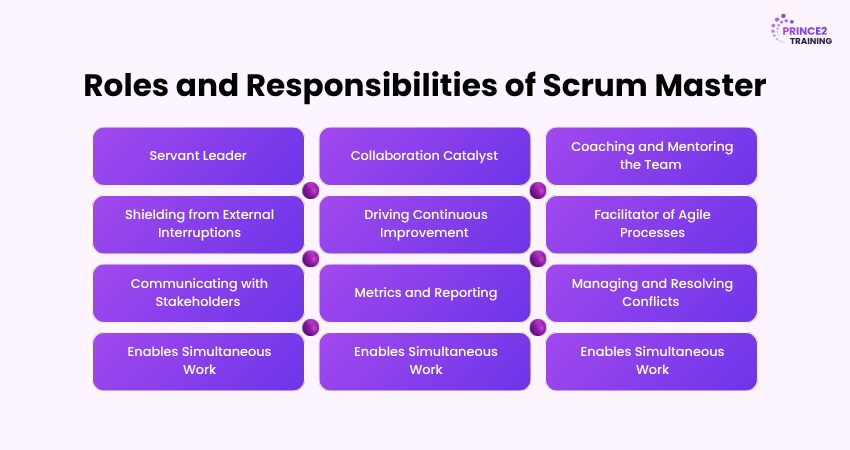
1) Servant Leader
The Scrum Master leads by serving the team. They focus on what the team needs and help remove anything in their way. This role is about support, not control.
Examples:
a) Helping a team member who’s stuck
b) Making sure everyone has what they need
c) Encouraging quiet members to speak up
2) Collaboration Catalyst
They encourage open teamwork and sharing. They help team members communicate clearly and work well together. Good collaboration leads to better results.
Examples:
a) Setting up team discussion sessions
b) Helping solve misunderstandings between members
c) Making sure everyone is involved in planning
3) Coaching and Mentoring the Team
They teach the team how to use Scrum properly. Over time, they help the team grow and work better together. This makes the team more confident and skilled.
Examples:
a) Explaining Scrum terms in simple words
b) Giving advice during daily stand-ups
c) Helping new team members understand the process
4) Shielding from External Interruptions
They protect the team from distractions. They handle outside requests so the team can stay focused. This keeps the work smooth and steady.
Examples:
a) Stopping extra tasks from being added suddenly
b) Managing requests from other departments
c) Helping the team say “no” when needed
5) Driving Continuous Improvement
They help the team get better with each sprint. This means looking back, learning, and trying new ways to improve. The goal is to grow a little every time.
Examples:
a) Running sprint retrospectives
b) Collecting feedback from the team
c) Suggesting small changes for better results
6) Facilitator of Agile Processes
The Scrum Master makes sure the Agile process runs smoothly. They lead key meetings and help the team stick to Scrum rules. They guide the team without taking control.
Examples:
a) Leading sprint planning and reviews
b) Keeping time during daily stand-ups
c) Making sure everyone follows the process
7) Communicating with Stakeholders
They keep communication open between the team and stakeholders. This ensures that everyone knows what’s going on. It also helps avoid confusion and delays.
Examples:
a) Sharing progress updates with managers
b) Explaining the team’s needs clearly
c) Gathering feedback from customers
8) Metrics and Reporting
They track how the team is doing using simple reports and charts. This helps spot problems early. Clear data makes it easier to improve.
Examples:
a) Creating a sprint burndown chart
b) Reporting team velocity to the product owner
c) Tracking completed tasks
9) Managing and Resolving Conflicts
When team members disagree, the Scrum Master helps solve the problem calmly. They listen, stay fair, and bring people together. This keeps the team strong and united.
Examples:
a) Talking to team members privately to understand the issue
b) Holding a meeting to clear misunderstandings
c) Helping the team agree on the best solution
10) Promoting Self-organisation
They help the team make decisions and manage their own work. This builds trust and teamwork. Over time, the team becomes more confident and independent.
Examples:
a) Letting the team plan their own tasks
b) Encouraging members to solve problems together
c) Avoiding micro-managing
11) Scrum Process Guardian
The Scrum Master ensures the team sticks to Scrum values rules and values. They gently correct mistakes and keep the process on track. This helps avoid confusion and delays.
Examples:
a) Reminding the team about sprint goals
b) Correcting the meeting flow if it’s off
c) Making sure roles are followed properly
12) Continuous Learning
They help the team keep learning new skills and improving. This includes learning from mistakes and trying new ideas. It builds a smarter, stronger team over time.
Examples:
a) Sharing articles or training materials
b) Encouraging team members to attend workshops
c) Learning from every sprint and applying lessons
Lead change the Agile way with our Agile Project Management Foundation (Agile PM®) Course – Join today!
Skills Required to Become a Scrum Master
Here are the key skills to become a successful Scrum Master:
1) Communication Skills
a) Speak clearly in team meetings and updates
b) Listen actively to team and stakeholder needs
c) Share information in a simple and honest way
d) Handle tough talks calmly and respectfully
2) Leadership and Motivation
a) Inspire the team to do their best
b) Lead without controlling others
c) Keep the team focused on goals
d) Stay calm and positive under pressure
3) Problem-solving Skills
a) Spot blockers early and remove them
b) Help the team fix issues quickly
c) Think of new ways to improve work
d) Stay flexible when plans change
4) Agile and Scrum Knowledge
a) Understand Scrum roles, events, and tools
b) Guide the team in following Scrum properly
c) Help others learn Agile practices
d) Know when to stick to or adjust the framework
5) Time and Task Management
a) Keep meetings short and useful
b) Make sure tasks are done on time
c) Help the team plan and stay on track
d) Balance the needs of the team and business
Steps to Becoming a Scrum Master
If you want to become a Scrum Master, there are a few clear steps to follow. These will help you learn the basics, get certified, and grow your skills in the real world.
1) Start with the Right Education
Begin by learning the basics of Agile and Scrum. You can start with a bachelor’s degree in a related field like IT, business, or management. You can also read project management books or take free online courses. Understanding the key terms, roles, and values is important and gives you a strong foundation before going for certification.
2) Attend a Scrum Master Training Course
To move forward, you need to attend a Scrum Master training course. These courses are usually two days long and are led by expert trainers. You'll learn how Scrum works in real projects and get fully prepared for the certification exam.
3) Prepare for the Scrum Master Exam
After training, review what you learned and take practice tests. Focus on Scrum rules, team roles, and how to handle real situations. Use simple study guides to stay clear on key points. Being well-prepared helps you feel confident on exam day.
4) Get Certified and Begin Your Role
Once you pass the exam, you’ll receive your Scrum Master Certification. You can now start applying for Scrum Master roles. Many companies look for certified professionals to lead their Agile teams. Use your training and new skills to help teams work better.
5) Continue Learning and Building Experience
Scrum is all about learning and improving. Attend workshops, join Scrum communities, and learn from other Scrum Masters. As you gain real-world experience, your confidence will grow. Keep learning to become even better at helping teams succeed.
Scrum Master Salary Trends and Insights
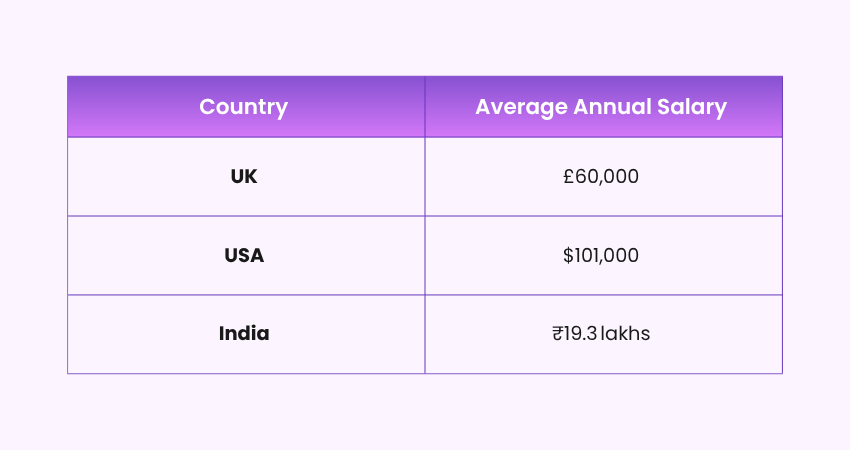
Scrum Master salaries can vary based on location, experience, and company size. In the UK, cities like London and Manchester offer higher salaries due to strong demand in the tech and finance sectors.
In the USA, major tech hubs like San Francisco, New York, and Seattle offer the best pay for experienced Scrum Masters. In India, cities such as Bengaluru, Pune, and Hyderabad are known for offering competitive salaries, especially in large IT and consulting firms.
Source: Glassdoor
Conclusion
We hope this blog has helped you understand Scrum Master Roles and Responsibilities, the skills you need, and how to get started in this career. A Scrum Master plays an important part in helping teams succeed through support, guidance, and strong teamwork. With the right training and mindset, you can grow into this rewarding role and make a real difference in every project you handle.
Advance your project leadership skills with our Project Management Training – Join today!
Frequently Asked Questions
Which Responsibility is Handled by the Scrum Master?
The Scrum Master allows the team to follow Scrum rules and work smoothly. They remove any problems that block the team’s progress. They also guide the team and make sure everyone stays focused on the goal.
What are the Main Roles in Scrum?
There are three roles in Scrum: the Scrum Master, the Product Owner, and the Development Team. Each role has a clear job to do. Together, they work as a team to deliver the project step by step.
What are the Six Scrum Principles?
The six principles are: Empirical Process Control, Self-organisation, Collaboration, Value-based Prioritisation, Time-boxing, and Iterative Development. These ideas help teams work better and deliver value faster. They are the base of how Scrum works in any project.



 Continue Browsing