Contact@prince2training.co.uk
 01344203999



 Back
Back


Table of Content

08-Sep-2026

David Walter
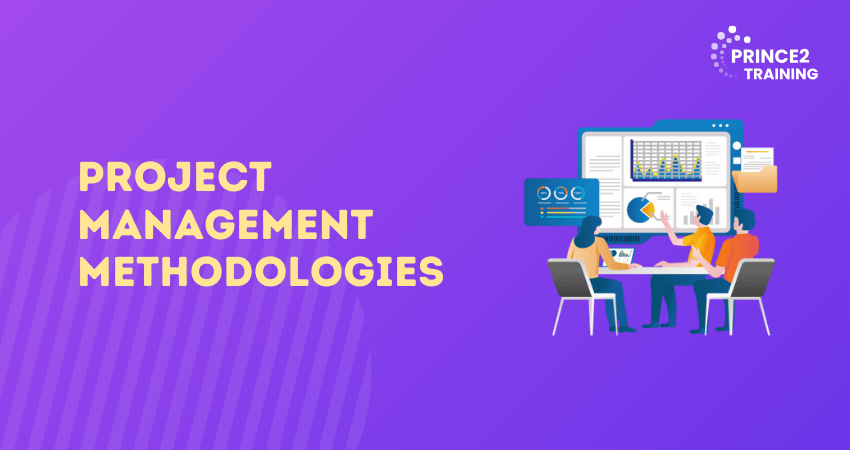
Every project starts with energy and ambition, but without the right structure, that energy can quickly turn into confusion and missed deadlines. What you need is a way to bring order, clarity, and focus to the chaos. Without a guiding framework, even the most talented teams can lose direction.
That's where Project Management Methodologies come into play. From Waterfall and Scrum to PRINCE2 and Lean Six Sigma, these approaches provide the tools to keep your project on track and your team aligned. It can turn scattered effort into strategic action. Continue reading to explore the top methodologies and how to choose the best one for your project!
Table of Contents
1) What is a Project Management Methodology?
2) Popular Project Management Methodologies
a) PRINCE2
b) Agile
c) Scrum
d) Kanban
e) Scrumban
f) Six Sigma
g) Lean Six Sigma
h) Waterfall
i) Lean
j) Outcome Mapping
3) Choosing the Best Project Management Methodology for Your Team
4) Conclusion
What is a Project Management Methodology?
A Project Management Methodology is a structured approach that guides how projects are planned, executed, and completed. It provides a set of processes, tools, and best practices that help teams organise their work, stay on schedule, and achieve project goals effectively within the given time and budget.
There are various Project Management Methodologies, such as Waterfall, Agile, PRINCE2, and Lean Six Sigma. Each has its own way of handling tasks, risks, and team collaboration. For example, Agile is flexible and focuses on delivering small parts of a project step by step, while Waterfall follows a more fixed, step-by-step process.
Popular Project Management Methodologies
Let's explore the widely used types of Project Management Methodologies that shape the way organisations manage their projects across industries:
1) PRINCE2
Projects IN Controlled Environments (PRINCE2) is a highly structured, process-driven methodology. It breaks projects into clearly defined stages. It is valued for its scalability, detailed documentation, and ability to keep stakeholders aligned at every stage.
Use PRINCE2 if:
1) You're managing a large or complex project with multiple stakeholders
2) You need strong governance and accountability at every stage
3) Working in a regulated industry where documentation is critical
4) In need of a framework that's globally recognised and standardised
Pros:
1) Clear documentation and control
2) Strong focus on business justification
Manage projects with structure and control – Sign up for our PRINCE2 Training and lead Project Management frameworks!
2) Agile
Agile is a flexible, iterative methodology focused on collaboration, customer feedback, and small, rapid releases. It divides the project into cycles called sprints, typically lasting 1–4 weeks. It supports fast-paced, collaborative environments where the end product evolves over time.
Use Agile if:
1) Your project needs to adapt quickly to change
2) You want to deliver in small, frequent releases
3) Your team is cross-functional and collaborative
4) Customer feedback is crucial throughout the project
Pros:
1) Responds well to change
2) Offers continuous delivery and feedback
Learn Agile principles and elevate your project outcomes with our Agile Training – Register today!
3) Scrum
Scrum is a subset of Agile and one of the most popular frameworks. It revolves around short sprints, daily stand-up meetings, and clearly defined roles like Scrum Master, Product Owner, and Development Team. It relies on small, cross-functional teams led by a Scrum Master.
Use Scrum if:
1) You're aiming for continuous improvement
2) Your team works well in short iterations
3) Frequent feedback and delivery are important
4) You want to track progress through visible metrics (e.g., burn-down charts)
Pros:
1) Transparent and collaborative
2) Frequent delivery of functional product parts
Lead dynamic and high-performing projects with our Scrum Master Training – Join soon!
4) Kanban
Kanban is a visual Project Management methodology that helps teams organise their work using boards and cards. Each task is represented as a card and moves through columns like "To Do," "In Progress," and "Done" as the team works on it.
Use Kanban if:
1) You want a simple, visual way to manage tasks
2) Your team prefers continuous delivery over fixed cycles
3) You work in a remote or distributed team and need visibility
4) You want to reduce multitasking and spot bottlenecks early
Pros:
1) Visual clarity of task flow
2) Easy to adopt and scale
5) Scrumban
Scrumban combines Scrum's structure with Kanban's flexibility. It keeps Scrum's planning rituals while embracing Kanban's visual workflow. It is ideal for teams who want the best of both worlds: the reflection of Scrum, and the continuous flow and simplicity of Kanban.
Use Scrumban if:
1) Teams that want to implement both Scrum and Kanban
2) Your team values flexibility but still wants some structure
3) You're transitioning from Scrum to Kanban or vice versa
4) You want to keep continuous delivery and ongoing planning
Pros:
1) Reduces rigidity in sprint planning
2) Highly customisable
6) Six Sigma
Six Sigma focuses on reducing defects and improving quality using statistical analysis. It's built around reducing variation, eliminating defects, and improving performance in repeatable processes. It follows the DMAIC cycle: Define, Measure, Analyse, Improve, Control.
Use Six Sigma if:
1) You work in a large organisation with process-heavy operations
2) Quality, consistency, and customer satisfaction are top priorities
3) You want a measurable, analytical approach to improving outcomes
4) You need to identify and eliminate waste
Pros:
1) Enhances efficiency and product quality
2) Promotes continuous improvement
7) Lean Six Sigma
Combining Lean principles of eliminating waste and Six Sigma of quality improvement, this methodology targets reducing defects and improving quality through data and analysis. It helps deliver projects that are faster, efficient, cost-effective, and aligned with customer needs.
Use Lean Six Sigma if:
1) You want to streamline processes and cut unnecessary steps
2) Need to boost productivity without compromising quality
3) Efficiency and consistency are critical in your project
4) You require a structured but flexible approach to solving problems
Pros:
1) Strong emphasis on value creation
2) Reduces errors and delays
Ready to drive quality improvement? Join our Lean Six Sigma Training immediately!
8) Waterfall
Waterfall methodology follows a linear, step-by-step process, where each phase must be completed before the next one begins. It is just like water flowing down a waterfall. It is highly structured and will suit projects with fixed requirements and little expected change.
Try Waterfall if:
1) Your project has a clearly defined goal that won't change
2) Stakeholders know exactly what they want from the beginning
3) The process is predictable, stable, and repeatable
4) You're working in a regulated industry where documentation is crucial
Pros:
1) Easy to manage and understand
2) Ideal for fixed-scope, low-variability projects
9) Lean
Lean methodology is about maximising project value while reducing waste. It encourages teams to focus on what truly adds value for the customer and eliminates anything that doesn't. This includes unnecessary steps, delays, overproduction, and misused resources.
Use Lean if:
1) A principle-based framework is needed for cutting inefficiency and improving workflow
2) The focus is on continuous improvement and adding more customer value
3) You aim to reduce operational costs and speed up delivery
4) Managing repetitive, process-heavy tasks where waste can build up over time
Pros:
1) Reduces inefficiencies
2) Encourages team-wide involvement
10) Critical Path Method (CPM)
The CPM is a way to plan projects by finding the tasks that must be done in a certain order. It figures out the shortest time needed to finish the whole project. It is the longest chain of dependent tasks, and a delay in one of these tasks directly impacts the overall project timeline.
Use CPM if:
1) Your project has clear task dependencies and a fixed deadline
2) You need a detailed project schedule with task-by-task visibility
3) You're managing construction, engineering, or other sequential projects
4) Want to identify which tasks can be delayed without delaying the project
Pros:
1) Precise scheduling and timelines
2) Identifies dependencies
11) Extreme Programming (XP)
XP is an Agile-based Software Development methodology. It uses short development cycles (or sprints), frequent releases, and continuous feedback to respond quickly to changes. It includes practices like pair programming, Test-driven Development (TDD), and continuous integration.
Use XP if:
1) You're building complex software that evolves frequently
2) Your team values clean, well-tested code and fast feedback loops
3) You need to release updates quickly and often
4) Customers are heavily involved and provide ongoing input
Pros:
1) Helps adapt to changing requirements
2) High code quality
12) Extreme Project Management (XPM)
Extreme Project Management (XPM) is the opposite of traditional, rigid methodologies like Waterfall. It focuses on highly uncertain, fast-moving, and constantly changing projects and provides flexibility at every level. It includes scope, budget, timeline, and even deliverables.
Use XPM if:
1) You're managing a project with high levels of uncertainty and rapid change
2) You need to adapt plans, budgets, or deliverables on the fly
3) Your team thrives in creative, experimental, or startup-like environments
4) You're working with short timelines and changing expectations
Pros:
1) Empowers creativity and adaptation
2) Accepts ambiguity as part of innovation
Start your path to project success with our Introduction to Project Management Course – Sign up soon!
13) Event Chain Methodology (ECM)
ECM is a project Risk Management approach that focuses on identifying, analysing, and preparing for external events that could impact a project's schedule and deliverables. With this, you can mitigate risks before they become issues, especially in complex or high-stakes projects.
Use ECM if:
1) Your project is complex or sensitive to change
2) You want to prepare for uncertain events that may affect the schedule
3) You need more realistic project timelines with risk analysis
4) Your stakeholders require risk visibility and backup planning
Pros:
1) Strong risk mitigation
2) Enhances schedule realism
14) Adaptive Project Framework (APF)
APF, also known as Adaptive Project Management (APM), is a flexible, change-ready methodology where uncertainty is the norm, not the exception. APF equips teams to predict risks, respond to shifting requirements, and continuously reassess their progress.
Use APF if:
1) Your project goals are clear, but the path to get there is likely to change
2) Innovation, learning, and flexibility are key to your project
3) You want to continually improve based on feedback and results
4) Your team is comfortable with collaboration
Pros:
1) Client-driven adaptability
2) Encourages learning through feedback
15) Critical Chain Project Management (CCPM)
CCPM is an advanced scheduling method that builds on the Critical Path Method. It is designed to ensure that projects stay on schedule even when resources are limited or teams are multitasking. It introduces buffer time to prevent project delays.
Use CCPM if:
1) You're managing projects with limited resources or high workload demands
2) You want to optimise task sequencing based on both time and team capacity
3) Your team struggles with multitasking and frequent delays
4) You need built-in flexibility to deal with the unexpected
Pros:
1) Reduces delays from bottlenecks
2) Improves project reliability
Lead smarter, deliver better! Register for our Project Management Courses anytime!
How to Choose the Right Project Management Methodology?
There's no one-size-fits-all when it comes to Project Management Methodologies. Each method offers a unique set of principles, structures, and tools to help take a project from initial concept to final delivery. Below are some key factors to consider when selecting the best fit:
1) Industry Type: Fast-changing industries (like tech) benefit from Agile, while regulated sectors (like construction or government) prefer Waterfall or PRINCE2.
2) Project Focus: If you want to prioritise collaboration and flexibility, you can choose Agile. If your focus is on efficiency and documentation, then go with CPM.
3) Complexity: You can use Kanban for simple workflows and CCPM or PRINCE2 for complex, resource-heavy projects.
4) Team Roles: Projects with cross-functional teams might fit Agile/Scrum; specialised roles need structured methods like NPI or Waterfall.
5) Organisation Size: Small teams will be suitable with Kanban or Scrumban. Larger teams may require Lean Six Sigma, or PRINCE2.
6) Work Style: Visual thinkers prefer Kanban. Teams that need perfect structure may choose Waterfall.
Conclusion
Choosing the right Project Management Methodologies is more than just selecting a framework. It is about aligning your team's strengths and your project's needs. With so many methodologies available from Waterfall to Agile and Scrum, there's truly something for every team. Ultimately, the most effective methodology is the one that helps you communicate clearly, stay aligned, adapt to change, and deliver meaningful results.
Combine structure with flexibility with our PRINCE2 Agile® Foundation and Practitioner Training – Join now!
Frequently Asked Questions
What Methodology do You Use in Project Management?
The use of Project Management Methodologies depends on the goals, complexity, and environment of your project. Popular options include Agile for flexibility, Waterfall for predictability, PRINCE2 for structure, and Lean Six Sigma for efficiency.
What is PRINCE2 Methodology?
PRINCE2 is a structured Project Management method focusing on control, organisation, and clear roles. It’s a process-based approach that breaks projects into manageable stages, each with defined responsibilities, controls, and deliverables.
What are the Seven Stages of PRINCE2?
The seven stages of PRINCE2 are:
a) Starting Up a Project
b) Initiating a Project
c) Directing a Project
d) Controlling a Stage
e) Managing Product Delivery
f) Managing Stage Boundaries
g) Closing a Project


 Continue Browsing