Contact@prince2training.co.uk
 01344203999




 Back
Back


Table of Content

17-Sep-2026

David Walter
Imagine you’re conducting an orchestra. Each musician plays a different instrument, but together, they create a masterpiece. Now, replace the musicians with project teams and the conductor with a Project Manager—this is Project Integration Management (PIM) in action! It’s the glue that holds different project elements together, ensuring smooth execution from start to finish. Without it, projects risk becoming chaotic, disjointed, and ultimately unsuccessful.
In this blog, we’ll explore what Project Integration Management is and why it matters. We’ll also discuss how to implement it effectively, diving deep into essential steps, tools, and best practices to help you master the art of seamless project execution.
Table of Contents
1) What is Project Integration Management?
2) Why is Project Integration Management Important?
3) Steps in Project Integration Management
4) Project Integration Management Tools
5) Steps to Implement Project Integration Management
6) Achieving Success in Project Integration Management
7) Conclusion
What is Project Integration Management?
Project Integration Management is the process of coordinating all project elements to ensure a smooth and efficient workflow. It involves aligning objectives, resources, and stakeholders while managing interdependencies across various project phases. This ensures that every aspect of the project functions cohesively, preventing conflicts and inefficiencies that could hinder success.

Project Integration Management includes key activities like creating a project charter, planning, executing, monitoring, and closing. It helps manage changes, risks, and stakeholder expectations while combining scope, time, cost, and quality into one clear process. Without proper integration, projects may face confusion, wasted resources, or delays.
A key part of integration is balancing different project needs while staying focused on goals. Project Managers organise work, solve problems, manage changes, track progress, and ensure good communication. These steps help projects run smoothly, make the best use of resources, and achieve successful results.
Why is Project Integration Management Important?
Without integration, projects can spiral into confusion. Imagine a house being built without coordination between the electricians, plumbers, and carpenters. The result? Chaos, costly rework, and missed deadlines.
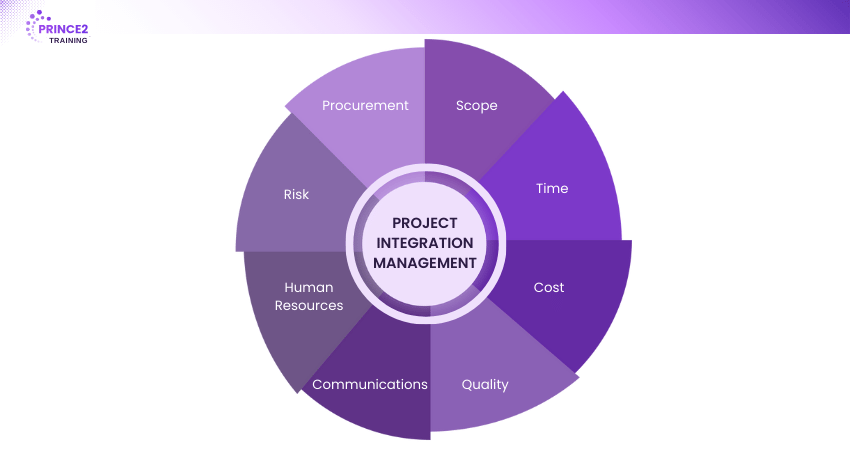
PIM Ensures:
1) Efficient Resource Utilisation: Avoiding waste and maximising productivity
2) Stakeholder Alignment: Ensuring everyone is on the same page
3) Smooth Execution: Keeping processes streamlined and avoiding bottlenecks
4) Effective Risk Management: Identifying issues early and mitigating them efficiently
5) Better Decision-making: Providing a holistic view for smarter strategies
When done right, PIM enhances project success, delivering outcomes that meet stakeholder expectations within scope, time, and budget.
Steps in Project Integration Management
Let us look at the steps in Project Integration Management:
1) Creating the Project Charter
The project charter is the foundation of any project. It formally authorises the project, defines objectives, assigns roles, and secures stakeholder buy-in.
Example: Imagine you’re launching a new mobile app. Your project charter outlines key details such as budget, stakeholders, success criteria, and high-level milestones. This document acts as your guiding light, ensuring clarity from day one.
Tip: Keep the charter concise yet comprehensive—it should define project boundaries clearly without unnecessary complexity.
2) Developing the Project Management Plan
This step involves creating a detailed roadmap covering scope, schedule, budget, resources, risks, and communication plans. It’s your GPS for the entire project journey.
Example: A construction project management plan might include resource allocation, risk mitigation strategies, and a phased execution timeline to ensure smooth implementation.
Tip: Avoid overcomplicating things. A well-structured plan should be comprehensive yet flexible enough to adapt to changes.
3) Directing and Managing Project Work
This is where the action happens! Execution mode is on, tasks are assigned, and teams start delivering outputs. Effective leadership, communication, and risk management are crucial at this stage.
Example: If your project is a product launch, this is the phase where marketing materials are created, developers write code, and sales teams prepare their pitches.
Tip: Foster open communication and encourage team collaboration to ensure smooth execution and quick issue resolution.
4) Managing Project Knowledge
Knowledge is power, and capturing lessons learned ensures future efficiency. Project teams document processes, challenges, and best practices to improve future projects.
Example: A company that implemented project knowledge-sharing saw a 25% increase in efficiency, as new teams could leverage past experiences instead of starting from scratch.
Tip: Establish a central knowledge repository where insights and best practices are documented for future reference.
5) Monitoring and Controlling Project Work
You wouldn’t drive a car without checking your speedometer, right? Similarly, monitoring project performance ensures everything stays on track.
Common Tools Used:
1) KPI Dashboards
2) Status Reports
3) Performance Metrics
Example: A software development project might use KPI dashboards and sprint reviews to track progress and adjust workflows in real time.
Tip: Schedule regular performance reviews to identify issues early and take corrective actions promptly.
6) Implementing Integrated Change Control
Changes are inevitable, but managing them effectively prevents disruptions. This step involves assessing and approving changes based on their impact on scope, timeline, and cost.
Example: In an IT project, if new regulatory requirements emerge, a structured change control process helps ensure compliance without delaying deadlines.
Tip: Implement a structured change control process where every change request is analysed for its impact on scope, time, and cost before approval.
7) Closing the Project
The finish line is in sight! The final step involves formal acceptance, documentation, and knowledge transfer.
Example: After completing a corporate rebranding project, a final report summarising key achievements, challenges, and lessons learned helps future teams avoid similar pitfalls.
Tip: Conduct a post-project review to identify successes, lessons learned, and areas that require improvement in future projects.
Build Agile expertise with the Agile Project Management Foundation (Agile PM®) Course – Join Today!
Project Integration Management Tools
Let us look at Project Integration Management Tools:

Gantt Charts
1) Visually represent project timelines, tasks, and dependencies.
2) Help Project Managers track progress, allocate resources, and identify bottlenecks.
3) Provide a structured project schedule for clarity and easy adjustments.
4) Ensure adherence to deadlines by mapping tasks and dependencies.
Kanban Boards
1) Enhance workflow visualisation by categorising tasks into stages (To Do, In Progress, Completed).
2) Improve workload management and allow real-time bottleneck identification.
3) Assist in task prioritisation and enable swift adjustments.
4) Provide continuous visibility into task progression, benefiting Agile teams.
Project Dashboards
1) Aggregate real-time data from multiple sources for project tracking.
2) Monitor budgets, deadlines, and resource allocation efficiently.
3) Offer instant insights to facilitate informed decision-making.
4) Help with proactive issue resolution, ensuring projects stay aligned with objectives.
Lead Agile Projects with confidence with the Agile Project Management Foundation & Practitioner (AgilePM®) Course – join now!
Steps to Implement Project Integration Management
Let us look at the steps to implement Project Integration Management.
Appoint a Project Manager
1) Ensures alignment of tasks, teams, and resources.
2) Defines project goals and sets clear expectations.
3) Prevents miscommunication and maintains project flow.
4) Oversees coordination from initiation to completion.
Monitor and Track Time Effectively
1) Implements time-tracking tools for progress monitoring.
2) Helps avoid delays and ensures deadlines are met.
3) Identifies inefficiencies and reallocates resources as needed.
4) Maintains project momentum through regular tracking.
Build Balanced and Skilled Project Teams
1) Forms teams with complementary skills and expertise.
2) Considers technical competencies, experience, and collaboration styles.
3) Ensures efficient project execution while fostering innovation.
4) Promotes productivity through well-balanced team dynamics.
Use Project Templates for Efficiency
1) Reduces administrative workload and improves focus on execution.
2) Provides a consistent structure for plans, reports, and documentation.
3) Minimises errors and enhances clarity in Project Management.
4) Supports scalability and repeatability for future projects.
Enhance Collaboration with a Team Communication Tool
Facilitates seamless communication and task management.
1) Utilises tools like Slack, Microsoft Teams, or Trello for better connectivity.
2) Improves transparency and reduces misunderstandings.
3) Fosters a collaborative and efficient work environment.
Understand Project Management essentials with APM Introductory Certificate – sign up now!
Achieving Success in Project Integration Management
To succeed in Project Integration Management, a Project Manager needs to master several skills, including:
1) Planning: Setting clear objectives and a structured approach.
2) Organisation: Keeping workflows and resources well-coordinated.
3) Communication: Ensuring stakeholders and teams are aligned.
4) Leadership: Providing direction and motivation.
5) Relationship Management: Maintaining strong stakeholder and team relationships.
6) Critical Thinking Ability: Making informed decisions to navigate challenges.
7) Data Analysis: Using insights to drive efficiency.
8) Impact Assessments: Evaluating risks and changes effectively.
9) Scheduling: Ensuring timelines remain on track.
10) Budgeting: Managing costs and financial resources effectively.
11) Change Management: Adapting to modifications while maintaining stability.
12) Risk Management: Identifying and mitigating potential roadblocks.
Kickstart your Project Management career with CAPM® Certification – register today and succeed!
Conclusion
Project Integration Management aligns processes, people, and tools to ensure seamless project execution. Integrating planning, execution, monitoring, and change control prevents inefficiencies and enhances collaboration. Whether managing a small initiative or a large enterprise project, mastering these steps, tools, and best practices is key to achieving project success.
Frequently Asked Questions
What is an Example of Project Integration?
An example of Project Integration is launching a new software product, where teams coordinate development, testing, marketing, and deployment to ensure seamless execution, aligning all project elements for success.
What is the Difference Between Project Management and Project Integration Management?
Project Management oversees planning, execution, and control. In contrast, Project Integration Management focuses on unifying project components and ensuring alignment between objectives, processes, and stakeholders for smooth coordination and successful project outcomes.
What is the Role of an Integration Manager?
An Integration Manager ensures seamless cross-department collaboration by aligning workflows, managing dependencies, resolving conflicts, and integrating resources. Their role is important in keeping projects on track, mitigating risks, and ensuring efficient coordination to achieve goals without disruptions.



 Continue Browsing