Contact@prince2training.co.uk
 01344203999




 Back
Back


Table of Content

17-Sep-2026

Veronica Davis
Managing one project is already a challenge; now imagine managing several at once! The chaos of colliding deadlines stretched resources, and constantly shifting priorities can feel overwhelming. However, with the right strategies in place, Multi-project Management can become a powerful skill rather than a headache. In this blog, we'll discuss what it means and why it matters and share practical tips for managing multiple projects effectively. Let's get started!
Table of Contents
1) What is Multi-project Management?
2) Importance of Multi-project Management
3) Challenges of Multi-project Management
4) Tips for Managing Multiple Projects
5) Conclusion
What is Multi-project Management?
Multi-project Management involves handling programmes and project portfolios. Programmes consist of related projects, while a project portfolio includes all projects and programmes within an organisation. It focuses on overseeing and coordinating multiple projects simultaneously to ensure efficiency, alignment with goals, and resource optimisation.
Here are the points to remember:
1) Multi-project Management optimises resource allocation to ensure efficient use of time, budget, and workforce.
2) It manages dependencies between multiple projects to prevent conflicts and delays.
3) It aligns projects with strategic goals to maximise business impact.
4) It uses methodologies such as programme management and project portfolio management to streamline multi-project oversight.

Importance of Multi-project Management
Multi-project Management is important for numerous reasons:
1) It improves efficiency by streamlining workflows and balancing workloads across multiple projects.
2) It optimises resource allocation to prevent overuse or underutilisation of time, budget, and workforce.
3) It ensures strategic alignment by prioritising projects that align with business objectives.
4) It manages dependencies to prevent conflicts, delays, and resource bottlenecks.
5) It improves decision-making by providing visibility into project progress and performance.
6) It encourages collaboration across teams to enhance communication and coordination.
7) It minimises risks by proactively identifying and addressing potential project challenges.
8) It ensures timely delivery while maintaining quality and meeting stakeholder expectations.
9) It enables adaptability by allowing organisations to respond to changes and evolving priorities.

Challenges of Multi-project Management
Here are the challenges associated with Multi-Project Management
1) Managing multiple projects simultaneously can stretch even the most skilled project managers, especially when sharing resources.
2) Cross-department coordination is challenging as different teams must align priorities and strategies while managing shared resources.
3) Resource constraints can arise as projects compete for personnel, equipment, and budgets, leading to inefficiencies.
4) Budget limitations may result in financial strain when funds are spread thin across multiple projects.
5) Scheduling conflicts can emerge when overlapping deadlines and dependencies make project timelines harder to manage.
6) Interdependent projects add complexity, requiring careful planning to ensure that delays in one project don't impact others.
7) Dynamic project environments require constant adaptation as external factors and internal changes influence ongoing projects.
8) Complex reporting requirements increase the need for real-time visibility into multiple project statuses.
9) Quick decision-making becomes more challenging as choices impact not just one project but the entire portfolio.
10) A lack of effective resource planning tools can make it difficult to control project scope, costs, and timelines efficiently.
Master the knowledge areas and process groups vital for Project Management success in our Project Management Professional (PMP)® Courses - Sign up now!
Tips for Managing Multiple Projects
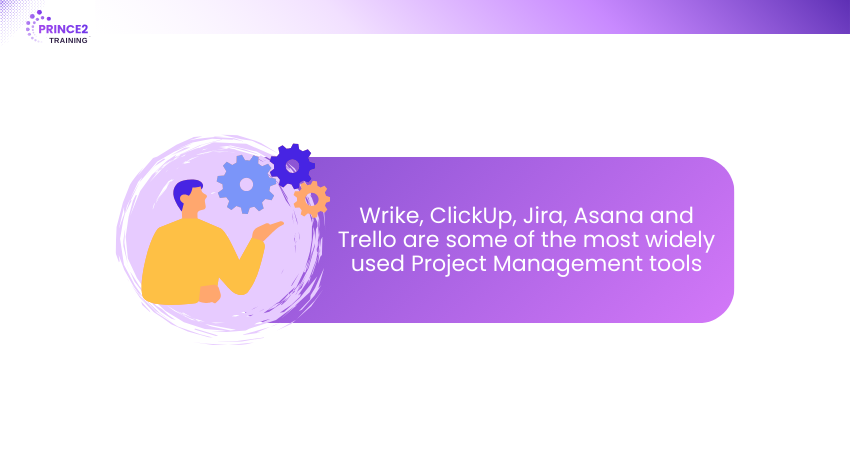
While Multi Project Management tools can streamline your workflow, they're only as effective as the person using them. The right software is essential, but successful Project Management also needs strategic planning and execution. If you want to manage multiple projects more efficiently, apply these five key strategies:
Plan Thoroughly
Project planning is critical whether you're handling one or multiple projects. A well-structured plan helps control project activities, including risk management, resource allocation, time tracking, capacity planning, communication strategies, and contingency planning. Effective planning minimises uncertainties and keeps projects aligned with organisational goals.
Maintain Visibility Across All Projects
Managing multiple projects requires centralised visibility to track progress, resources, and team collaboration in one place. Avoid jumping between multiple apps, as this increases the risk of missing crucial details. A portfolio management tool enables seamless coordination and oversight across all projects.
Prioritise Tasks Effectively
Not all tasks carry the same weight. Identify critical tasks that directly impact project goals and distinguish them from less essential activities. Focusing on high-priority tasks ensures projects stay on schedule, within budget, and maintain quality without unnecessary delays or distractions.
4) Delegate Responsibilities Wisely
Project managers should focus on resource coordination and process efficiency rather than handling every task. Build a competent team with the right skills and delegate tasks accordingly. Efficient delegation allows team members to contribute effectively while enabling managers to oversee multiple projects simultaneously.
5) Monitor Team Progress Without Micromanaging
Providing teams with autonomy while maintaining oversight is crucial for productivity. Use time tracking and resource management tools to monitor workload distribution and task progress. This approach ensures teams remain productive without feeling micromanaged, fostering trust and efficiency in a multi-project environment.
By combining the right tools with these strategies, you can navigate the complexities of Multi Project Management and drive successful outcomes.
Cultivate Leadership skills to lead cross-functional project teams in our PMP® Exam Prep Boot Camp - Sign up now!
Conclusion
Mastering Multi-project Management is all about balance of strategic planning, smart prioritisation, effective delegation and seamless tracking. With the right approach and tools, you can stay organised, optimise the resources, and drive success across multiple projects. You must keep refining your workflow and stay adaptable to turn project chaos into streamlined efficiency and lead projects like a pro.
Master Project Management fundamentals such as project lifecycles, processes, and best practices in our CAPM® Certification - Register now!
Frequently Asked Questions
How to Prioritise Multiple Projects?
To prioritise multiple projects effectively, evaluate each project's urgency, impact, resource requirements, and alignment with strategic goals. Use prioritisation frameworks like MoSCoW or Eisenhower Matrix to focus on high-value tasks and balance competing demands.
What is the Secret to Successful Multi-project Management?
The secret lies in clear planning, strategic prioritisation, and real-time visibility. Successful Multi-project Management combines the right tools, strong communication, and adaptive leadership to manage resources effectively. It also helps resolve conflicts and ensures alignment with overall business objectives.



 Continue Browsing