Contact@prince2training.co.uk
 01344203999




 Back
Back


Table of Content

08-Sep-2026

Veronica Davis
Great decisions rarely happen by chance. They begin with asking the right questions, understanding the real problem, and looking beyond the obvious. In constantly evolving business environments, relying on instinct alone is not enough. Organisations need clear, structured techniques to reduce risk, and create real value. This is where Business Analysis Techniques make the difference.
They connect strategy with action, helping turn complex challenges into practical, achievable outcomes. In this blog, you will explore the top 15 Business Analysis Techniques used by professionals to improve processes and support long-term success across industries. Let’s dive in and start building analysis skills that drive meaningful results.
What are Business Analysis Techniques?
Business Analysis Techniques are structured methods that are used to identify organisational requirements and deliver optimal outcomes. This systematic approach focuses on analysing data, defining key performance indicators, and applying appropriate tools, ensuring the analysis remains aligned with strategic objectives.
These techniques help uncover improvement opportunities, reduce costs, and recommend practical, innovative solutions. This approach involves several key processes, including conducting market research, collecting and analysing data, reviewing existing processes, and evaluating potential solutions to complex challenges.

Why is Business Analysis Important?
By examining what needs to change, Business Analysis reveals operational gaps and improvement areas. It also provides leaders with the insights required to make informed decisions. Here are the key reasons for using agile Business Analysis techniques:
1) It helps gain a clear understanding of organisational structure and operations
2) It helps identify current challenges affecting the business
3) It highlights improvement opportunities and recommends practical solutions
4) It helps recognise and clearly articulate the need for change
5) It increases the overall value delivered to stakeholders
Steps Included in Business Analysis
Business Analysis involves a series of structured steps. When applied effectively, these steps can significantly boost organisational performance. Here are the key stages involved:
1) Strategic Planning: The foundation of Business Analysis, this step focuses on outlining processes and approaches to improve overall efficiency and direction.
2) Identifying Business Objectives: This stage clarifies organisational goals and pinpoints the specific issues that need attention or improvement.
3) Gathering Requirements: Relevant data and stakeholder inputs are collected to define solutions that align with business objectives.
4) Developing Effective Solutions: Potential solutions are designed using analysed data to address challenges and optimise processes.
5) Implementing the Solution: The selected solution is executed to resolve issues and achieve the desired business outcomes.
Top 15 Business Analysis Techniques
Now let’s dive into the best Business Analysis Techniques that assist organisations in streamlining approaches, resolving issues and achieving strategic objectives with precision:
1) SWOT Analysis
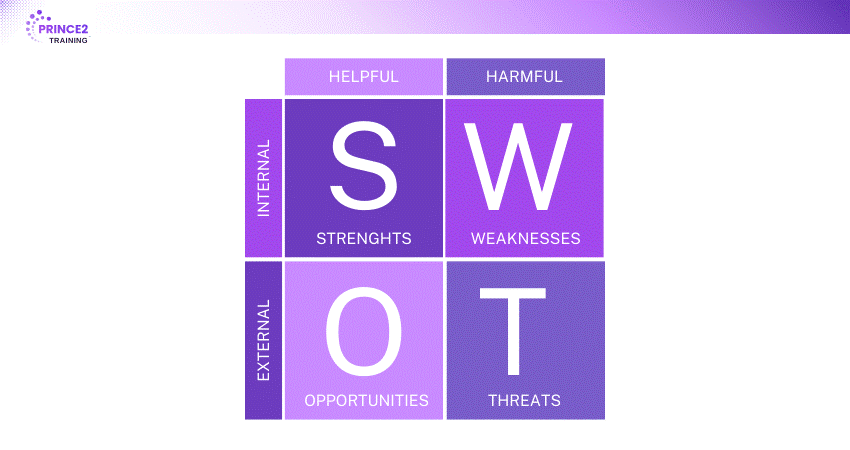
Strengths, Weaknesses, Opportunities, and Threats (SWOT) evaluation is a powerful tool for strategic planning. It allows organisations to evaluate inner and external elements, clearly showing their current position and future opportunities. By leveraging this method, agencies can expand techniques that capitalise on strengths and mitigate risks.
2) MOST Analysis
Mission, Objectives, Strategy, Tactics (MOST) evaluation aligns an employer’s project with actionable goals, strategies, and approaches. This approach affords a clean roadmap for reaching organisational goals and ensures that each action aligns with the agency’s fundamental undertaking, driving consistency and recognition throughout all stages.
3) Business Process Modelling (BPM)
Business Process Modelling visually represents an agency's processes to examine and optimise workflows. Using gear like flowcharts and diagrams, BPM identifies bottlenecks, reduces inefficiencies, and improves usual performance. It’s an important technique for reinforcing operational performance and delivering higher customer reviews.
Kickstart Your Career with our
BCS Foundation Certificate in IS Project Management Course
– Join Now to Lead Projects with Confidence!
4) PESTLE Analysis
Political, Economic, Social, Technological, Legal, and Environmental (PESTLE) analysis examines the external macro-environmental factors that influence an organisation. This method facilitates businesses expect marketplace modifications and adapt strategies as a result, making sure resilience in a dynamic business landscape.
5) CATWOE Analysis
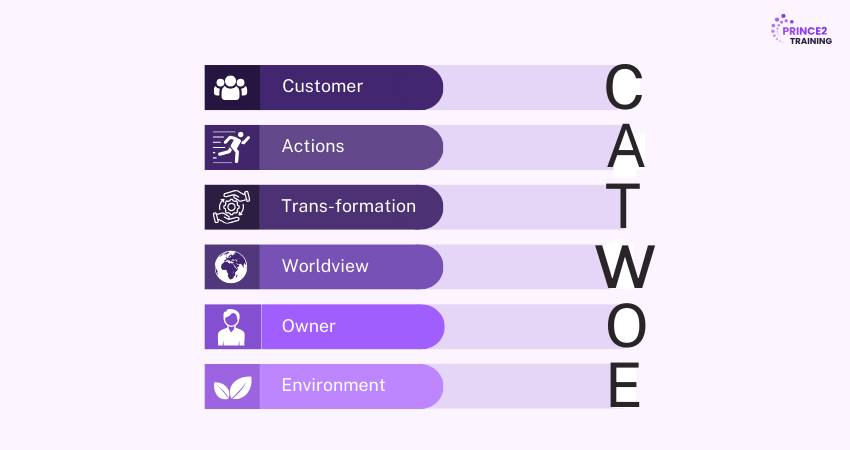
Customers, Actors, Transformation Process, Worldview, Owners and Environmental Constraints (CATWOE) analysis helps analyse complex problems by understanding the perspectives of all stakeholders. It’s a valuable tool for clarifying objectives and ensuring solutions address the needs of everyone involved.
6) Brainstorming
Brainstorming is a creative technique that encourages collaborative idea generation. Organisations can uncover innovative solutions, enhance problem-solving, and promote team cohesion by fostering open surroundings where team members can voluntarily share their thoughts.
7) McKinsey 7-S Model
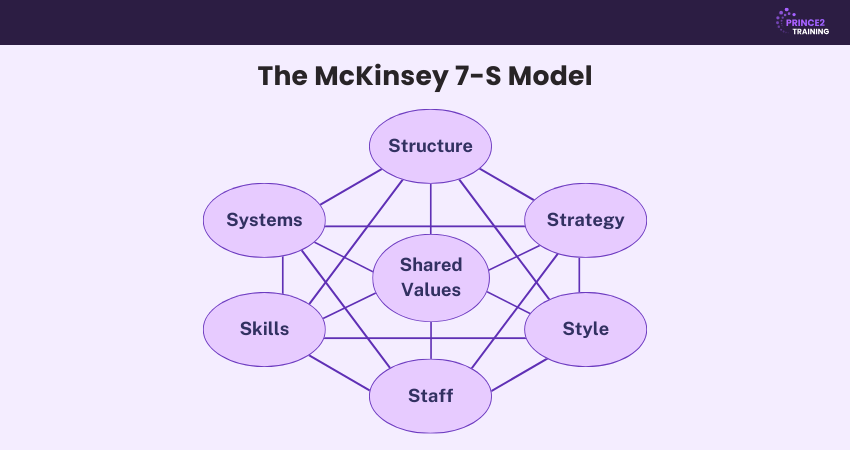
The McKinsey 7-S model analyses organisational effectiveness with the aid of analysing seven key factors: Strategy, Structure, Systems, Skills, Staff, Style, and Shared Values. This holistic approach facilitates business identity inner misalignments and regions for improvement, making sure that each additive works harmoniously to achieve strategic goals.
8) POPIT Model
The People, Organisation, Processes, Information, and Technology (POPIT) model ensures that changes within a business are evaluated across multiple dimensions. This technique helps organisations consider how changes will impact processes and the people and systems involved, fostering a balanced approach to transformation.
Become the go-to strategist for business success with our range of
Business Analysis Courses
- Register now!
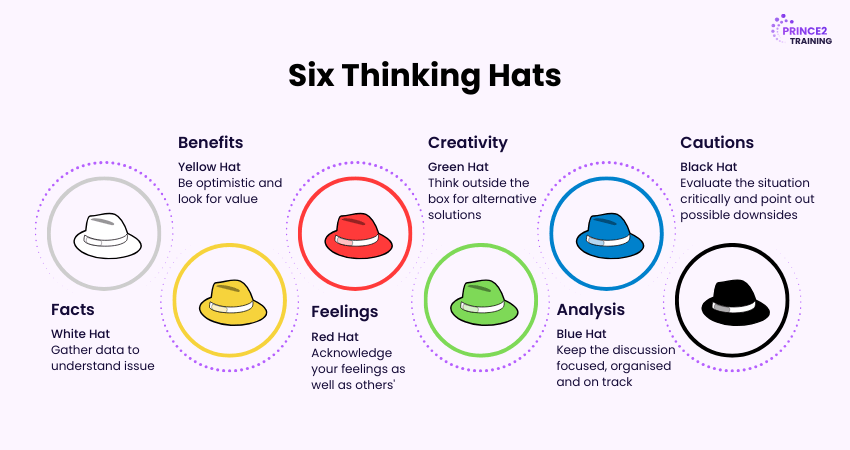
9) Six Thinking Hats
Edward de Bono developed the Six Thinking Hats technique, which involves approaching problems from six perspectives: Facts, Feelings, Creativity, Positivity, Analysis, and Judgement. This structured approach promotes comprehensive thinking and enables teams to explore solutions from all angles.
10) Mind Maps
Mind maps visually organise information, making connecting ideas and identifying relationships between them more manageable. This technique enhances brainstorming, problem-solving, and strategic planning by providing a clear and dynamic overview of complex topics.
11) MoSCoW
The MoSCoW method is a Business Analysis technique used to prioritise requirements and features based on their importance to business goals. It helps Business Analysts focus efforts on what delivers the greatest value and ensures alignment with organisational objectives.
MoSCoW represents:
1) Must-have Requirements: These are essential and non-negotiable. They are critical to project success and directly support core business objectives.
2) Should-have Requirements: These are important but not vital. They can be deferred if necessary, though they add significant value when included.
3) Could-have Requirements: These are desirable enhancements but not essential for success. They are considered only if time and resources permit.
4) Won’t-have Requirements: These are excluded from the current scope as they are not required for the intended outcome.
12) Root Cause Analysis (RCA)
Root Cause Analysis is a structured approach for determining the underlying reasons a problem occurs. Instead of addressing surface-level symptoms, it focuses on identifying the true sources of issues, so that effective corrective actions can be taken to prevent recurrence.
Common RCA tools include the Five Whys, Fishbone (Ishikawa) diagrams, and Pareto Analysis. This approach helps organisations implement sustainable improvements and strengthen processes instead of relying on short-term fixes.
13) Cost-benefit Analysis (CBA)
Cost-benefit analysis (also known as cost-effectiveness analysis) is used to assess the financial return of a decision or policy. It translates the potential costs and benefits into monetary values to gauge economic impact. By comparing the total costs against expected gains, organisations can calculate net value, manage risk, protect resources, and avoid unnecessary expenditure.
14) Value Stream Mapping (VSM)
Value Stream Mapping is a lean management technique for visualising the complete flow involved in delivering a product or service. By clearly mapping each step, organisations can identify waste and eliminate non-value-adding activities. VSM involves analysing the current process and designing a future-state workflow that optimises overall performance.
15) Stakeholder Analysis
Stakeholder Analysis involves identifying individuals or groups affected by a business decision and assessing their level of influence and interest. It helps organisations understand stakeholder concerns and priorities, including those of employees, customers, suppliers, shareholders, and the wider public. Good Stakeholder Management supports smoother project delivery.
How to Build Effective Business Analysis Techniques?
Here are the four major steps you can take to create the ideal Business Analysis model:
1) Identify the Primary Business Aim
a) Define clear business goals to help select the analysis technique best aligned with organisational priorities.
b) Use the chosen technique to examine specific business areas for strengths and potential issues within projects.
c) Treat the company objectives as reference points that guide decisions and act as performance indicators.
2) Gather Necessary Information
a) Gather the essential business information to define the requirements, scope and job roles clearly.
b) If the analysis takes place after the project has started, review the tasks already completed.
c) Use the collected details to support informed and structured decision-making.
d) Identify the key stakeholders because their influence and approvals can shape project direction.
e) Consider stakeholders such as founders, managers and business partners when analysing these requirements.
3) Detail Project Requirements
a) Clarify the project requirements to help the analysis team develop an effective and aligned solution strategy.
b) Balance the differing stakeholder expectations by defining shared and achievable objectives.
c) Align the goals to ensure that the proposed solutions satisfy both business and stakeholder needs.
d) Engage key decision-makers through meetings to gather feedback and validate decisions.
4) Help Implement the Solutions
a) Provide support and guidance through clear documentation that any employee can use as a reference.
b) Be available to resolve the urgent technical issues during implementation.
c) Train employees on relevant techniques and tools to ensure proper use.
d) Support implementation to gather feedback on effectiveness and identify necessary adjustments.
Conclusion
Mastering Business Analysis Techniques is essential for any professional aiming to drive successful projects and strategic decisions. These methods provide a structured yet flexible approach to problem-solving, helping organisations adapt to ever-changing business environments. By leveraging these tools, Analysts can deliver valuable insights, optimise processes and ensure projects meet their objectives effectively.
Turn every bottleneck into a breakthrough with our range of Business Improvement Courses - Sign up now!
Frequently Asked Questions
What are the Four Types of Business Analysis?
The four types of business analysis are strategic, tactical, operational, and project analysis. Strategic analysis focuses on long-term goals, tactical analysis addresses medium-term objectives, operational analysis improves day-to-day processes, and project analysis ensures specific initiatives align with overall business goals.
How do you Choose the Proper Business Analysis Technique for a Project?
Choosing the proper business analysis technique depends on the project’s objectives, complexity, and stakeholders. Consider factors such as the scope, desired outcomes, and team dynamics. A combination of techniques may be ideal to effectively address different aspects of the project.



 Continue Browsing